Adèu Cataluña, hola Catalunya

No estoy en contra del derecho de autodeterminación estatal de nadie. Es más, creo que la autodeterminación como forma de escapar de un régimen político intrínsecamente corrupto como el español y tantos otros, incluyendo el británico o el catalán, por ejemplo, es muy legítima. También acepto la autodeterminación estatal como forma de expresar la propia riqueza político-emocional y cultural, o de formular nuestras aspiraciones con la gente que nos rodea en nuestra propia comunidad o entorno. Yo mismo me autodetermino, culturalmente y políticamente, muy a menudo. El derecho internacional que contempla la autodeterminación estatal como fórmula descolonizadora o como remedio frente a la violación de derechos políticos y culturales es insuficiente para dar respuesta a los deseos legítimos y democráticos de la gente. El mundo ha cambiado.

En el caso que nos concierne, Cataluña, este tipo de análisis en abstracto me resulta personalmente más difícil. Para mí hay tanta cultura y vivencias comunes que comparto con muchos amigos y amigas catalanes, y seguro que con otros catalanes a los que no conozco, que me resulta extraño que de pronto dejemos de compartir nacionalidad o espacio político estatal. Y cuando “siento España”, uno de mis dos Países-Estado (el otro es Gran Bretaña), y pienso en sus problemas, sus culturas y sus gentes, siempre incluyó e incluiré a Cataluña en mi imaginario personal de lo que es España. Y siendo natural de Lorca (Murcia), me siento personalmente, por supuesto, mucho más catalán que griego o portugués. Soy libre de imaginarme lo que yo quiera ¿no? Al fin y al cabo las naciones son fundamentalmente fenómenos psico-sociales.

Me queda el consuelo de que este proceso de independencia ha conseguido que mucha gente se replantee el tema de las identidades nacionales y su necesaria pluralidad. Es imprescindible para el progreso humano que aceptemos que en un solo corazón caben muchas lealtades “nacionales”. El modelo de Estado-nación del Siglo XIX nos imponía una exclusividad unitaria inspirada en la religión monoteísta, en la monarquia absoluta, en el Romanticismo y en las creencias raciales: un solo pueblo, un solo Dios, un solo rey, una sola nación. ¿Por qué no se pueden tener varias patrias nacionales a la vez? En nuestro modelo de relaciones familiares tenemos lealtades emocionales muy intensas, incondicionales y múltiples (padres, madres, hijos, hermanos…), lo cual es mucho más natural, civilizado y práctico. La exclusividad es casi siempre perniciosa.

El tema de la posible independencia de Cataluña es también para mí muy revelador de lo que somos “nacionalmente”, tanto los españoles como los catalanes, por otras razones:

Sin quitarle mérito a los que han promovido con éxito la causa independentista y a quienes han promovido la nacionalidad catalana desde la segunda mitad del Siglo XIX, no me cabe duda de que el independentismo ha conseguido movilizar una masa mayoritaria gracias a las torpezas de sus esperpénticos rivales. Enumeremos algunas:

-El clamoroso fracaso moral, cultural, constitucional, económico y operacional del Partido Popular, liderado antes por un ignorante fanfarrón y ahora por una reencarnación híbrida de Carlos II hinchado a esteroides y Franco con barba. El rechazo del Estatut de Catalunya es probablemente su metedura de pata más decisiva, pero no se puede negar que la incompetencia demostrada por el PP ha sido continuada y profunda.

-La mediocridad política de la otra máquina de poder corrupto (¡Ay, Andalucía!), el PSOE, vendida también al neoliberalismo;

-La bilis premeditada de demagogos como Federico Jiménez Losantos, que a pesar de su pátina liberal alimenta el españolismo más zafio y chulesco;

Todas estas disfuncionalidades españolas, y otras, ha sido usadas en la propaganda independentista de forma muy eficaz en la reedición de un imaginario de “lo español” que no hace justicia de una gran mayoría de españoles y que es tristemente dañino. La interpretación torcida del tema de las balanzas fiscales también ha contribuido mucho a potenciar ese imaginario popular del español rudo, pobre, vago y mantenido.

Esto no quiere decir que el futuro Estado-nación catalán tenga una legitimidad de origen peor que la de Francia o España o los Estados Unidos. Muchos Estados-nación que se me vienen a la cabeza han sido forjados territorialmente con una combinación de violencia y manipulación política, educativa, empresarial y cultural, por una parte, y de procesos de socialización más “limpios” y orgánicos, liderados a veces por verdaderos héroes, por otra. Hoy en día eso de los cañonazos en Europa, afortunadamente, está muy mal visto. Pero la propaganda engañosa sigue operando en muchos nacionalismos, incluyendo el catalán. Hacer pasar a un grupo de gente muy variado, en la era de la comunicación y la libertad de expresión, por un mismo aro nacional es algo más que una obra de ingeniería política, aunque se comparta una lengua y un sentir común como en Cataluña.

Tengo mis dudas serias de que “esta independencia” vaya a ser buena para los catalanes de a pie. Si pienso en los compañeros de viaje del independentismo, Artur Mas y sus secuaces, no me puedo imaginar un nuevo Estado-nación catalán al servicio del pueblo. No es, ni puede ser, un proyecto de soberanía real. Las élites catalanas y las españolas son una misma cosa. Estamos hablando de criminales financieros y fiscales, como Pujol o Rato, y de sus encubridores. En este sentido solo las CUP y Catalunya Sí Que Es Pot, (aunque yo

pueda discrepar en el tema de la independencia) me parecen opciones honestas que inspiran confianza. La alianza ERC-CDC le ha dado la puntilla a Cataluña.

Los retos políticos, económicos y culturales a los que nos enfrentamos en Europa, se resuelven mejor con Estados fuertes (no necesariamente centralizados) que puedan reivindicar con nosotros, con la gente, nuestra soberanía popular. Estos Estados fuertes son los únicos que tienen las herramientas y la envergadura necesarias para plantar cara a los poderes fácticos de forma efectiva. Ante la creciente pujanza de las organizaciones del capital y de los Estados-nación a su servicio, la opción de ocupar democráticamente esos espacios del Estado es la más clara. Es el único resquicio por donde penetrar.

Es cierto que el estatismo no es la panacea y que entraña sus peligros. Hay mucho trabajo que hacer en la democracia de base, la inteligencia colectiva y en la soberanía comunitaria. Pero ese cambio social orgánico necesita procesos sustentados en cambios culturales y políticos paralelos que van, naturalmente, más despacio. Ahora nos urge tomar el Estado. Y si Cataluña se separa, será mucho más difícil tanto para los españoles como para los catalanes alcanzar algún tipo de soberanía económica, social, educativa y política real, porque separados somos más débiles. Mientras nosotros agarramos banderas, ellos se frotan las manos.

¡Salut!
Con Corbyn, sí se puede

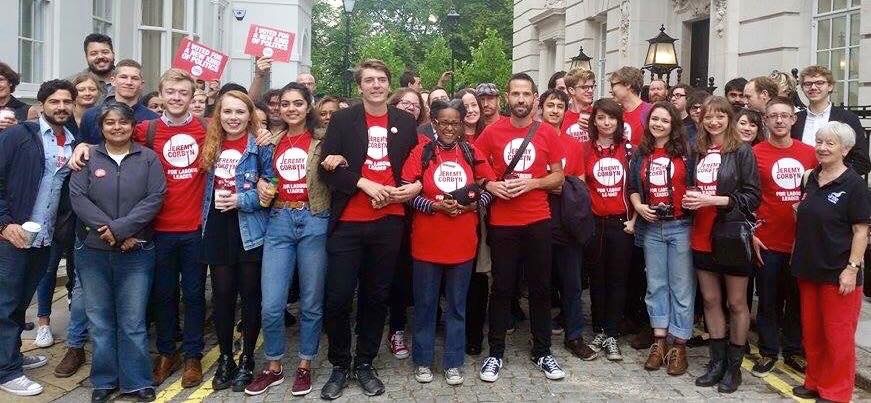
La victoria de Jeremy Corbyn es un acontecimiento de magnitud histórica para Gran Bretaña y para Europa. Después de casi dos décadas de confusión (o perversión) ideológica, el Partido Laborista puede reivindicar de nuevo como suyos los valores de la decencia, la justicia, la tolerancia, la compasión y el juego limpio (estos valores se los había apropiado furtivamente la derecha, dándoles el controvertido nombre de “valores británicos“). El apoyo masivo y el entusiasmo popular que Corbyn ha generado hacen que me sienta muy orgulloso de ser parte activa de la vida de este país.

Hay mucho trabajo por delante. En este país no es oro todo lo que reluce. La desigualdad campa a sus anchas. El tener trabajo no te saca de la pobreza. Hay mucha ignorancia debido al poder abrumador de los medios de comunicación nacionalistas de derechas. El establishment político, mediático y financiero británico es tan corrupto como el de España, y mucho más influyente e interconectado globalmente. Las puertas giratorias y los pelotazos son el pan nuestro de cada día en los Tories (la derecha). Los partidos pueden aceptar donaciones de millonarios y empresas a cambio de todo tipo de favores. Las corporaciones se organizan fiscalmente de manera que pagan impuestos, muy pocos, “a la carta”. La diferencia con el comportamiento de “La Casta” en España es que aquí en el Reino Unido la corrupción es mucho mas fina y sutil, está solo al alcance de una minoría de privilegiados y opera en un régimen legal que hace imposible perseguirla. La gente de a pie no podemos, ni queremos, ser corruptos. El sistema (legal y cultural) lo impide. A quienes tengan curiosidad por este tema les recomiendo que lean la famosa revista “Prívate Eye”.

Las implicaciones para Europa de estos resultados son importantes. Corbyn y los que le apoyamos queremos una UE al servicio de la gente, no de las grandes corporaciones, y estamos convencidos de que para tener una Europa próspera, justa y feliz, hay que reclamar la soberanía financiera para nuestros Estados y pueblos y para la Unión en su conjunto. Eso solo se consigue con cambios políticos que pongan a la gente como protagonistas de su destino.

¿Qué debe hacer Corbyn ahora?

Como dije en en otro artículo, The Corbyn Identity, su prioridad debe ser la reforma de los procedimientos de participación política dentro del Partido Laborista. Es necesario abrirse mucho más a los miembros, simpatizantes y afiliados del Partido Laborista (hay tres formas de militancia en estos momentos) y al resto de la sociedad. Pero este cambio no urge solo por una cuestión de principios. La única forma de conseguir que los diputados laboristas que defienden unas políticas y un discurso de centro (muchas veces por razones de estrategia) se sumen a este proyecto de justicia y dignidad de Corbyn es someterlos, a través de la democracia interna, al escrutinio y al mandato democráticos. En este país a las élites les gusta presumir de ser ejemplo de democracia, entre otras cosas para mantener al pueblo engatusado. Gran Bretaña como faro del mundo libre. A los medios y políticos de derechas les resultará difícil justificar sus críticas a un Corbyn volcado en agendas democratizadoras.

¿Y las reivindicaciones políticas, sociales y económicas? ¿Debe Corbyn descuidarlas en su trabajo parlamentario y de comunicación pública?

No. Lo que sugiero es que “descentralice” mucho el debate público sobre temas económicos y sociales. Que permita que sea su propia militancia, los expertos y las organizaciones sociales y políticas progresistas las que lideren esas conversaciones y reivindicaciones. Que sea el tejido social que respalda las políticas de Corbyn el que lleve la voz cantante. Y que Corbyn y el laborismo escuchen esas demandas y las traduzcan en clave parlamentaria, durante los próximos cuatro años de oposición, pero siempre reconociéndolas como demandas populares. Como en mi anterior sugerencia, esto no es solo una cuestión de principios: Corbyn necesita contrarrestar la imagen de visionario quijotesco y solitario que la prensa de derechas, dominante, le ha asignado y que forma parte de toda una narrativa de descrédito ideológico al que nos tendremos que enfrentar con uñas, dientes y cabeza.

Es hora de la gente en Gran Brataña y en Europa.

The Corbyn Identity

In the last 2 months I have been listening to loads of opinions about Corbyn and the obstacles he faces. The most valuable one at this stage of play comes from a very knowledgable and experienced friend and comrade. He told me that, in reality, the True Blairites are a tiny minority of MPs and that the vast majority of MPs are hugely pragmatic people who will not want to upset the grassroots and will be able to adapt to the new landscape.

At the end of the day, you can’t deny that the survival and winning instinct is in the MPs’ DNA. Some of them are even very good actors and quick learners: my friend tells me that he knows of one MP who expressed support for different 3 candidates, including Corbyn, in front of different audiences.

The Blair Identity, a project of mental infiltration in the Labour Party that probably inspired the script writers of the film The Bourne Identity, may turn out to be a flop (an expensive one for the country). Jason Labour has now discovered the details of the plot and is sorting things out.

So, should the Corbynistas relax?

Not at all. The internal opposition to Corbyn, not just from True Blairites, is real. The political fight for quotas of power and the debate for alternative policies will continue. There are huge tasks ahead. But, as I suggested in a previous post (Corbyn’s Survival), reinventing grassroots democracy in the Party is not only a key issue for Corbyn. It should become his overwhelming priority too.

Why?

It is essential in itself, as a matter of principle. But also, think about this: We in Britain like to think that we are world champions of democracy. A democratising agenda, of the party and the country, would be a great asset that no right-wing media would dare to contest. It would also bring plenty of “communication opportunities” to the Corbynista camp. There is so much rot in the governance of UK PLC. Just read the Private Eye.

What about the socio-economic agenda?

Whilst remaining committed to the general principles of increased social rights and public ownership, and being a strong opposition, Corbyn should allow the grassroots of the party, the experts in social issues and the anti-austerity movements to take a stronger lead in this conversation. They can be more “radical” than the Parliamentary Labour Party. Collaborative revolution.

The general elections are not here yet. Let’s build strategically. The future of he country is at stake and we cannot waste this opportunity.

Refugees welcome?

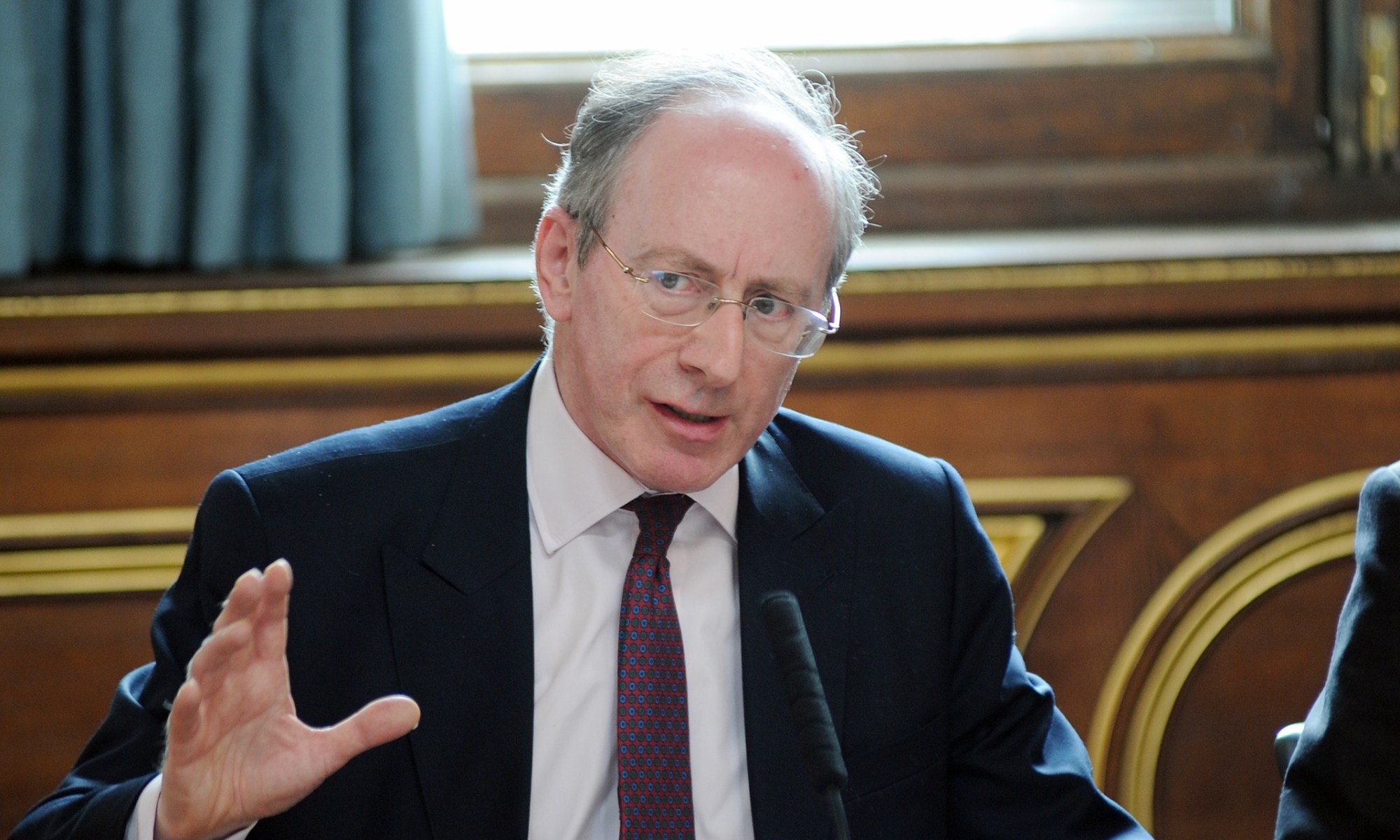
Malcolm Rifkind (not sir, sir), the prominent Tory MP who was caught on camera by Channel 4 allegedly trying to sell his political favours to a Chinese investor, has treated us all today in the BBC, which is increasingly biased towards their new Conservative Masters, to a refined, yet disgusting, distinction between refugees worth protecting and the rest.

To summarise his position, for this man of grave voice and dubious ethics, refugees are welcome in our Disunited Kingdom only if they flee from war zones. He claims that once they are “safe” in a refugee camp in a neighbouring country, like Lebanon or Turkey, their desire to travel to Europe is an indication of other issues at play.

Let’s make it clear, Malcolm, in a language that power people like you can understand better than no one else: why don’t you piss off to Jordan to live in a tent in the desert? You have had already a good free ride as a member of the elite all these years, so it is only just that you start picking up the slack. You have made loads of money, for you and all the faceless corporations you have “served”, which I am sure you can use in the refugees camps for all sort of good deeds. Ah, and you advocated military interventions in Libya and Syria. Perhaps you would like to say sorry in person to some of the victims of your political “errors of judgement”.

It would be unfair for Malcolm to omit a reference to all those smug inhuman beings who will certainly support his views. I saw some of them last night in Twitter and on TV saying they didn’t want to have refugees in Britain. They are the same lot who do not want migrants, or anyone different to them, nearby. I propose to have a public register where these individual can indicate, by posting their postcode, that they are not willing to have refugees and migrants in their neighbourhood. That way we can spare the poor victims of war and the global crisis of capitalism of the undesirable company of these uncivil members of society.

Everyone has the right to escape from poor living conditions. The aspiration to live and work in peace and good health is legitimate. At this time in history the question is not whether we bring down borders but how we do so. It is urgent.

Picture from Foreign and Commonwealth Office used under the Open Government Licence v1.0

Crecimiento sin empleo

El capitalismo se caracteriza por sus crisis cíclicas: crecimiento del PIB, recesión y vuelta a crecer.

Sin embargo, en la versión contemporánea del capitalismo se produce un fenómeno muy preocupante: las mal llamadas “recuperaciones” del crecimiento no vienen acompañadas de una recuperación de los niveles de empleo (jobless recovery).

Clayton Christensen, prestigioso catedrático de Administración de Empresas de la Escuela de Negocios Universidad de Harvard, nos explica por qué en este video (está en inglés pero es muy claro y didáctico). Yo os ofrezco, debajo del vídeo, un resumen del principal argumento de Christensen con una interpretación y conclusión propias.

.

.

Las “inversiones empoderadoras” (en innovaciones que llevan a nuevos productos y a crecimiento), y las “inversiones sostenedoras”, las que simplemente mejoran los productos existentes y que también generan algo de empleo, están últimamente en retroceso en nuestra economía global.

¿Por qué?

El capital inversor en los últimos 10 años se está dirigiendo, salvo en unos pocos sectores, mayoritariamente a las innovaciones para la eficiencia. Estas “inversiones para la eficiencia” no crean nuevos productos ni los mejoran para el consumidor, sino que persiguen al abaratamiento de procesos y otros costes, lo cual conlleva una reducción del empleo.

Aunque estas “inversiones para la eficiencia” liberan capital que bien podría redirigirse a “inversiones empoderadoras”, esto no sucede así en la práctica hoy día. Ello se debe a otro fenómeno llamado la “financiarización” del capitalismo, es decir, la exigencia de que la obtención de rendimiento financiero seguro sea el principal criterio rector de toda la actividad empresarial en la producción de bienes y servicios.

Nos puede parecer lógico y obvio que la maximización del rendimiento sea importante, no lo dudo, pero no puede continuar siendo el principio máximo ordenador de la actividad empresarial. De hecho, las etapas de esplendor económico del Siglo XX se caracterizaron por “inversiones empoderadoras” e “inversiones sostenedoras”.

Entonces, ¿Cómo conseguir que las empresas cambien de forma de actuar?

¿Montamos cursillos de formación gratis para contables y directores de empresa? ¿Exigimos más regulaciones prohibiendo cosas? ¿Damos incentivos fiscales a las “inversiones empoderadoras”, lo cual tiene un coste para el contribuyente y supone una forma de subsidio? ¿Obligamos a las empresas a repartir el trabajo y que trabajemos menos por el mismo dinero?

Para llevar a cabo un intento mínimamente serio de controlar a las empresas sin coartar la libertad individual, que es sagrada, harían falta campañas educativas y de concienciación, toneladas de regulaciones, millones de funcionarios, billones de horas de reuniones para legislar y aplicar esa legislación, y es dudoso que funcionara. Como dicen en mi tierra, “mucho follón, pa ná”.

Entonces, amigo ¿Quién le pone el cascabel al gato?

Es imposible hacerlo. El capitalismo, que de joven fue rebelde, es un viejo ciego y sordo, pero muy listo y exigente. Por eso continúa perfeccionándose mientras camina victorioso hacia su propio desastre.

Realmente, la única forma de superar sin más dolor la crisis global del capitalismo es montar nuestras propias empresas, en forma de cooperativa o de propiedad común pública, y recuperar, sin acritud y de forma democrática, la soberanía sobre los bancos centrales, para así poder hacer las cosas como pensamos que se deben hacer, por el futuro de nuestras familias y el bien de nuestros pueblos. Pero de eso hablaremos otro día.

€uroscam, a real eye-opener

€uroscam is a fascinating documentary based on new research carried out by Ricard Vergés on the European origins of the Housing and Construction Bubble in Spain.

Vergés lost his job for uncovering some of the business, professional and political practices leading to the socially painful and relatively distinct Spanish version of the Global Crisis.

The director of this documentary, Guillermo Cruz, combines an inquisitive retrospective narrative of events in Spain and Germany with interviews with well known academics, politicians, business men, journalists and activists.

Inevitably, €uroscam features (although not as a interviewees) people like Rodrigo Rato, former Director of  the International Monetary Fund (IMF). Rato, who was also Spain’s Economics Minister during the Conservative Governments of 1996-2004 is now facing charges of tax evasion and money laundering.

€uroscam questions the legitimacy of the Spanish Public Debt contracted as a result of the almost deterministic negligence of the Spanish and European political and corporate elites, responsible for the plight of millions of Spaniards.

The video has subtitles English and lasts a bit more than an hour.

#anuncomfortabledocumentary

Our Chinese Crisis

I saw the U.S. chief editor of the FT, Gillian Tett, last night on Channel 4 talking about this new-not-so-new crisis in China. I have to confess that her self-righteousness made me sick. I guess it comes with the job (hers and mine).

It is very sad to see all these clever, educated and eloquent people, the cheerleaders of global capitalism who did not foresee the big financial crisis in the U.S. and Europe, the myrmidons who turn a blind eye to financial and political incompetence when it suits their masters, demanding that the Chinese Government completely deregulate access to financial markets and stop “bureaucratic” intervention (whilst snarling their upper lip).

We had deregulation and re-regulation in the USA and the UK and the whole thing crashed anyway.

So, what’s a fair diagnosis for the Chinese Crisis?

Well, it is a structural fault of global dimensions: the Social Structures of Accumulation that come with this phase of Global Capitalism are collapsing and there is little we can do to prevent this from happening. Conventional regulation and deregulation can only slow down the collapse in some places or for some people, but nothing else. (If you want to know more about Social Structures of Accumulation, there is plenty of academic and non-academic readings and videos about it).

Is there anything else that can be done?

Capitalism is self-destructive, so Hopefully it will take care of itself. However, there is no room for complacency: Our Governments should alleviate the pain caused to people across the world, with our solidarity. We can engage as individuals in rebuilding, culturally, politically and economically, our own communities. We can help others to do the same.

But what is wrong with capitalism? It would be easier to answer this question by explaining what capitalism is and what is good about it:

Capitalism is a combination of values, social relationships, practices, institutions and legally binding rules enshrined in national and international laws, that has enabled a few people in the world to extract and abuse for their own benefit the economic resources of the majority.

Capitalism is based on the supremacy of human predatory self-interest, disregarding most other aspects of human nature, and it is supported by cultural domination. Contrary to what many people believe, capitalism does not respect individual freedom or private property as a universal human rights.

Capitalism cannot work well at the same time in all places across the world because it relies on inequality. The wealth of someone is the destitution of someone else somewhere else in the world.

The good thing about capitalism: If you are lucky enough to be born in the countries whose States have been supportive of the economic interest of their “industrialists”, mainly in North-America and Europe in the last two centuries, then you may be able to benefit, as a worker, as an independent professional/trader or even as a non-producing individual, from the economic surplus that flows around you, but only by virtue of the “Welfare State”, a sort of deal between business, common people, cultural elites and politicians for all of us to have a decent life without causing trouble to each other.

Unfortunately, the “Welfare State”, comprising socio-economic rights, in the workplace and beyond, and public services, is being dismantled in the places in the world where once worked, and will not take off in most places in the rest of the world because of the lack of resources in those places. The inherent inequalities of the capitalism have become more acute at this stage are there are no signs that this will change.

Is this an apocalyptic vision?

Sort of. But I am confident that there are a lot of talented people across the world working on alternative forms of co-operative economy and on peaceful sustainability. There are also many other people promoting political and cultural movements that will Enable our transition to a different form of global society. Crucially, human ingenuity is on our side. All the technological inventions, scientific discoveries and social advancements of the last century were the work of common people like you and me, either a) people who were paid a salary for their intellectual and physical efforts, very often working in publicly funded institutions or b) self-employed people who had to fight their way as individuals in a network of corporate (capitalist) interests.

So, there is a future, of course, but you won’t read about it in the FT.

Corbyn’s Survival

I have just read an interesting piece of Matthew D’Ancona in the Guardian. He suggests that Labour MPs will not respect Corbyn and will bring him down. His concerns are fully justified.

What should Corbyn do when he wins?

He will have to introduce new mechanisms of participation in the party, with a strong online component, to enable members and supporters, at local and national levels, scrutinise and direct more closely the political action of Labour MPs.

Obviously, the representative nature of the mandate of MPs and their relationship with their constituencies cannot be constitutionally altered overnight.

However, Labour MPs and party officers will have to be very careful not to contradict the party members and supporters when working on parliamentary initiatives or when deciding the direction of their vote. Ideally, they would have to engage with them more regularly when designing party policy and the electoral programme.

What are the requirements for this democratic transformation of Labour?

a) the participation mechanisms will have to be fair, secure and accessible;

b) the engagement with the members and supporters will have to be sensible and gradual yet motivating and politically empowering, combining wisely presential and remote engagement;

c) the introduction of e-democracy in the Labour Party has to conceived not only as a mechanism to articulate decision-making and improve accountability but also as a

  • a learning process for the members, the supporters and the party itself
  • and as tool to build a community of practice.

There are have been cases of misuse of online participation, of course, but in this country we have now plenty of expertise to ensure these requirements are met.

If Corbyn and his supporters are committed to building a stronger organisation and become a movement for social change, this is the way forward (and the only way to ensure his survival as leader!)

Entryists fear not

The Labour Party is in turmoil. The New Labour establishment, and some sectors of the media, are terrified by the Corbyn-mania. The avalanche of new supporters is being exaggeratedly linked to Radical Left “entryists” and Tory trolls.

Interestingly, the term “natural supporter” has been used in some quarters to refer to the people who should be allowed to join Labour as supporters, as opposed to those who shouldn’t. This is, sadly, a term that does not help to differentiate much. Blair’s New Labour associated itself with the world of business and with highly successful, economically, individuals. More recently, Labour has shown support for many of the economic and social policies of the Tories. Hence almost anyone could be a “natural supporter” of Labour nowadays, even those who criticise migrants and benefit claimants, even those who defend austerity, or those who aren’t bothered about zero hour contracts.

Should the party do anything about people who are believed to have signed up as supporters or members with the intention of harming the organisation?

Yes, they should. Party officers can and should research cases of infiltration of people who have no loyalty whatsoever to the organisation, people who are not genuinely prepared to support it under any circumstances. If there are indications of ill motives, the party should challenge the people concerned in order to give them a chance to explain themselves and come clean (if they can). At this point it is very important to delegate this type of enquiry to local branches, as they know better the people in their neighbourhood.

What if someone is a member of a left wing organisation?

If the person genuinely wants to help the Labour Party to be a stronger and more appealing and successful organisation, the applicant should be allowed to become a supporter, even if s/he has been critical of Labour or s/he militates in another organisation. The key requirement should be simply good will.

The future 

I believe the future for the Left in the UK lies on the idea of multi-party platforms, as explained recently by Stephen Moss in the Guardian. This is the formula which has already catapulted the Real Left to the power in Madrid and Barcelona, in Spain. You can read more about it in an article I wrote for Left Unity.

If we want to stand effectively for the principles of social justice that inspired the creation of the Labour Party and for the future of our public services, our children and our environment, we in the Left need to get used to the idea of multi-layered and fluid organisational loyalties.

Electronic democracy

We need much more citizen power and responsibility, coupled by new types of mandate for political decision-making.

Participation is increasingly electronic. Whether we like it or not, online platforms and tools are more successful in generating engagement and are becoming the norm in many situations.

Open online political participation is therefore to be celebrated, developed and extended into various areas of public life. It allows waves of common people to define the direction of any organisation, including political parties and governments.

It is true that participatory democracy, as opposed to the traditional representative democracy, generates asymmetries, as it gives more real power to people who are more active. Research carried out on in the area of participatory budgets across the world confirm the obvious: local activists who have more time at their disposal, and therefore more information and opportunities to coordinate their actions, can shape the decisions. This is natural and inevitable in any system in which common people have a real opportunity to participate politically on a regular basis and become influential activists if they wish so.

Openness is the way forward. Only the establishment has anything to fear.